|
|
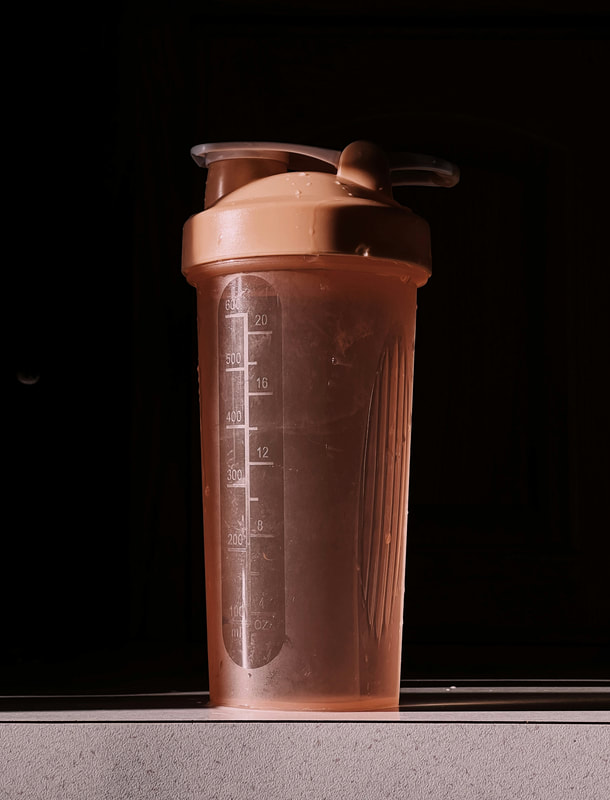
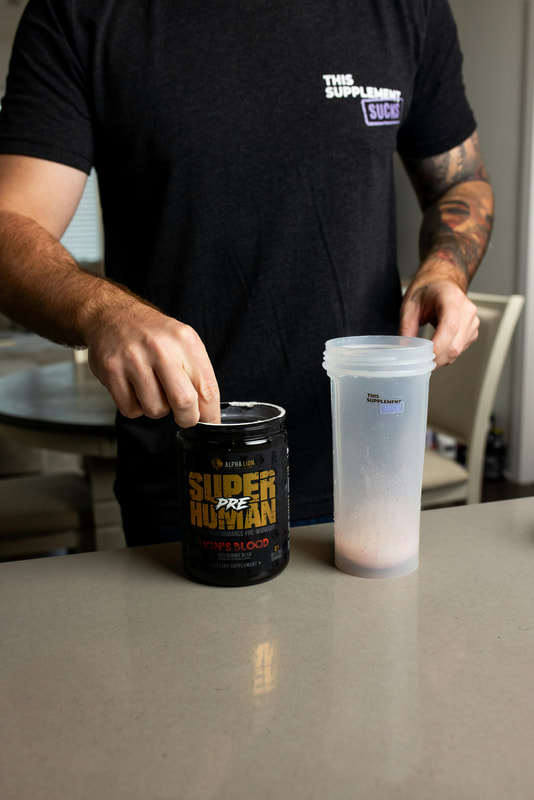
A protein shaker, or shaker bottle, is just a container for mixing supplement powders – like protein, pre-workout, or BCAAs – with liquids such as water or milk. It's meant to:
* Help powders dissolve cleanly without clumping.
* Be easy to carry around, so you can mix drinks anywhere.
* Not leak all over the place.
* Be easy to wash.
Regular cups often don't mix powders very well, leaving clumps or residue, and they might leak.
**What to Look For in a Shaker:**
Here’s a breakdown of what matters when you're picking a shaker:
| Feature | What to Aim For | Why It's Important |
| :--------------------- | :----------------------------------------------------------------------------------------------------------------- | :--------------------------------------------------------------------------------------------------------------- |
| Material | Food-safe plastic (BPA-free, like Tritan), stainless steel, or sometimes even glass. | Plastic is light and cheap. Steel lasts longer and doesn't hold smells. Glass is heavy and can break. |
| Size | Usually around 400–800 mL (13–27 oz) | should fit the amount of shake you want to make. |
| Lid and Seal | Screw-on or flip-top lids with a rubber or silicone seal. | Leaks are the worst! A bad seal means messes and wasted shake. |
| Mixing Thingy | A whisk ball (metal or plastic), mesh screen, or something built-in to swirl the liquid. | Helps break up clumps. Some are easier to clean than others. |
| Cleaning | Few parts, wide opening, and it would be good if it’s dishwasher-safe. | Hard to clean means residue and smells will build up. |
| Extras | A compartment for powder, a pill holder, a handle, or measurement markings. | Handy if you carry extra stuff with you. |
| Insulation | Double-walled stainless steel ones. | Keeps the drink cold (or warm) longer, but it'll be heavier and pricier. |
| Weight | Not too heavy. | You want it easy to carry to the gym or when you're on the move. |
| How Long It Lasts | The stuff it's made of shouldn't scratch easily, hold onto smells, or turn yellow. | Cheap plastic falls apart and starts to stink after a while. |
| Drinking Comfort | Easy to sip from, smooth edge, and maybe a wide opening if you like to throw ice cubes in there. | Makes drinking comfy. |
| Measurement Markings | Clear lines on the inside or outside. | Helps you get the right mix of liquid and powder. |
| Price | Doesn't have to be super expensive, but the really cheap ones might leak or fall apart. | Spend enough to get something that seals well, is made of good stuff, and has a smart design. |
**What They're Made Of:**
Here's a quick look at the good and bad of different materials and mixing methods:
**Plastic (BPA-free)**
* Pros: Light, usually cheap, can mold into cool shapes.
* Cons: Can absorb smells or stains, might scratch or break down, doesn’t keep drinks cold.
**Stainless Steel**
* Pros: Tough, lasts a long time, doesn't hold smells or stains, can be insulated to keep drinks cold.
* Cons: Heavier, costs more, might not be dishwasher-safe.
**Glass**
* Pros: Doesn’t hold onto odors or flavors, feels clean.
* Cons: Heavy, breaks easily, not usually used for shakers.
**Electric Shakers**
* Pros: Blends without shaking, good for thick shakes (like with nut butter).
* Cons: More parts to wash, needs batteries, costs more.
**Tips and Tricks**
* **Liquid First:** Always put the liquid in before the powder to avoids clumps.
* **Don't Overfill:** Leave some space at the top, so it mixes better and doesn't spill.
* **Shake It Up:** Shake hard for about 20–30 seconds (or whatever the directions say), going up and down and side to side.
* **Rinse Right Away:** Don't let the shake dry inside, wash it soon after using.
* **Deep Clean:** If it smells or has residue, soak it in warm, soapy water or use baking soda and water or vinegar. Bottle brushes can help reach the corners.
* **Dry It Out:** Let it dry completely with the lid off to fights mold and bad smells.
* **Replace Worn Parts:** Replace worn seals to keep it from leaking.
* **Be Gentle:** Don't scrub too hard on clear parts, causing scratches that trap residue.
* **More Than Just Shakes:** Make pre-workout, hydration mixes, pancake batter, salad dressing and so on.
**What Makes a Good Shaker?**
* No leaks — a must!
* No clumps — even with thick powders.
* Doesn't stink after you use it a lot.
* Easy to take apart and wash.
* Tough and lasts a while.
Things to watch out for:
* Lids that warp, crack, or leak.
* Thin plastic that bends or breaks.
* Thingies inside that are hard to clean.
* Measurement lines that fade.
* Lids that don't stay closed.
**What You Need It For:**
What you need in a shaker depends on how you're going to use it:
* **Gym/On-the-Go:** Get a light plastic one with a good seal.
* **Outdoors/Travel:** Get an insulated steel one to keep your drink cold or hot.
* **Thick Shakes:** Find one to handle thick mixes.
* **Car-Friendly:** Should fit in your car's cup holder.
* **Easy Cleaning:** Find one with a simple design.
* **Carrying Extras:** A shaker with an extra powder or pill compartments.
* Help powders dissolve cleanly without clumping.
* Be easy to carry around, so you can mix drinks anywhere.
* Not leak all over the place.
* Be easy to wash.
Regular cups often don't mix powders very well, leaving clumps or residue, and they might leak.
**What to Look For in a Shaker:**
Here’s a breakdown of what matters when you're picking a shaker:
| Feature | What to Aim For | Why It's Important |
| :--------------------- | :----------------------------------------------------------------------------------------------------------------- | :--------------------------------------------------------------------------------------------------------------- |
| Material | Food-safe plastic (BPA-free, like Tritan), stainless steel, or sometimes even glass. | Plastic is light and cheap. Steel lasts longer and doesn't hold smells. Glass is heavy and can break. |
| Size | Usually around 400–800 mL (13–27 oz) | should fit the amount of shake you want to make. |
| Lid and Seal | Screw-on or flip-top lids with a rubber or silicone seal. | Leaks are the worst! A bad seal means messes and wasted shake. |
| Mixing Thingy | A whisk ball (metal or plastic), mesh screen, or something built-in to swirl the liquid. | Helps break up clumps. Some are easier to clean than others. |
| Cleaning | Few parts, wide opening, and it would be good if it’s dishwasher-safe. | Hard to clean means residue and smells will build up. |
| Extras | A compartment for powder, a pill holder, a handle, or measurement markings. | Handy if you carry extra stuff with you. |
| Insulation | Double-walled stainless steel ones. | Keeps the drink cold (or warm) longer, but it'll be heavier and pricier. |
| Weight | Not too heavy. | You want it easy to carry to the gym or when you're on the move. |
| How Long It Lasts | The stuff it's made of shouldn't scratch easily, hold onto smells, or turn yellow. | Cheap plastic falls apart and starts to stink after a while. |
| Drinking Comfort | Easy to sip from, smooth edge, and maybe a wide opening if you like to throw ice cubes in there. | Makes drinking comfy. |
| Measurement Markings | Clear lines on the inside or outside. | Helps you get the right mix of liquid and powder. |
| Price | Doesn't have to be super expensive, but the really cheap ones might leak or fall apart. | Spend enough to get something that seals well, is made of good stuff, and has a smart design. |
**What They're Made Of:**
Here's a quick look at the good and bad of different materials and mixing methods:
**Plastic (BPA-free)**
* Pros: Light, usually cheap, can mold into cool shapes.
* Cons: Can absorb smells or stains, might scratch or break down, doesn’t keep drinks cold.
**Stainless Steel**
* Pros: Tough, lasts a long time, doesn't hold smells or stains, can be insulated to keep drinks cold.
* Cons: Heavier, costs more, might not be dishwasher-safe.
**Glass**
* Pros: Doesn’t hold onto odors or flavors, feels clean.
* Cons: Heavy, breaks easily, not usually used for shakers.
**Electric Shakers**
* Pros: Blends without shaking, good for thick shakes (like with nut butter).
* Cons: More parts to wash, needs batteries, costs more.
**Tips and Tricks**
* **Liquid First:** Always put the liquid in before the powder to avoids clumps.
* **Don't Overfill:** Leave some space at the top, so it mixes better and doesn't spill.
* **Shake It Up:** Shake hard for about 20–30 seconds (or whatever the directions say), going up and down and side to side.
* **Rinse Right Away:** Don't let the shake dry inside, wash it soon after using.
* **Deep Clean:** If it smells or has residue, soak it in warm, soapy water or use baking soda and water or vinegar. Bottle brushes can help reach the corners.
* **Dry It Out:** Let it dry completely with the lid off to fights mold and bad smells.
* **Replace Worn Parts:** Replace worn seals to keep it from leaking.
* **Be Gentle:** Don't scrub too hard on clear parts, causing scratches that trap residue.
* **More Than Just Shakes:** Make pre-workout, hydration mixes, pancake batter, salad dressing and so on.
**What Makes a Good Shaker?**
* No leaks — a must!
* No clumps — even with thick powders.
* Doesn't stink after you use it a lot.
* Easy to take apart and wash.
* Tough and lasts a while.
Things to watch out for:
* Lids that warp, crack, or leak.
* Thin plastic that bends or breaks.
* Thingies inside that are hard to clean.
* Measurement lines that fade.
* Lids that don't stay closed.
**What You Need It For:**
What you need in a shaker depends on how you're going to use it:
* **Gym/On-the-Go:** Get a light plastic one with a good seal.
* **Outdoors/Travel:** Get an insulated steel one to keep your drink cold or hot.
* **Thick Shakes:** Find one to handle thick mixes.
* **Car-Friendly:** Should fit in your car's cup holder.
* **Easy Cleaning:** Find one with a simple design.
* **Carrying Extras:** A shaker with an extra powder or pill compartments.